
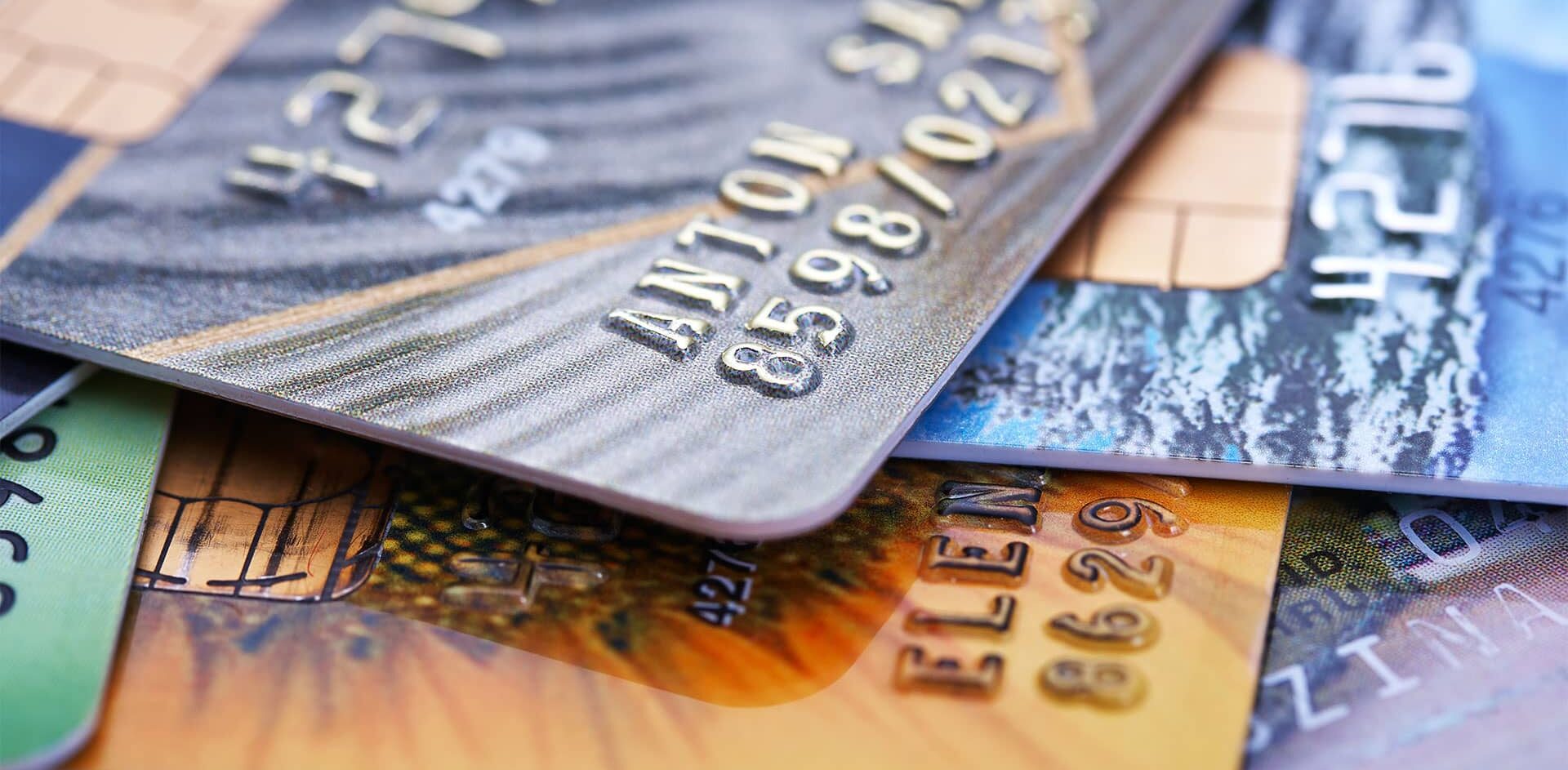
Ever handed someone a paper ID card and watched it fall apart within weeks? Yeah. Been there. That flimsy stuff just does not cut it anymore. Nowadays plastic card printing is playing a vital part in business growths.
Here is something interesting though. The ID card printing market hit over $870 million in 2023. And roughly 65% of Fortune 1000 companies now use plastic card printers for employee badges. Businesses figured out that durability actually matters.
Back in the day you needed expensive equipment to print photo IDs in house. Now? Plastic card printing with photo options makes professional identification accessible to pretty much any organization.
Why Plastic Cards Beat Paper Every Single Time
Lets talk about what happens to paper cards. They bend. They tear. Coffee spills destroy them. Wallets crush them into sad wrinkled messes.
PVC plastic cards? Totally different story. These things survive years of daily use. Toss them in your pocket, sit on your wallet, pull them through card readers a thousand times. Still looks professional.
The material itself is the same thickness as credit cards. That 30 mil PVC feels substantial in your hand. People actually keep these cards because they feel valuable. Paper gets thrown away without a second thought.
What Makes Photo Personalization Work
Adding photos to plastic cards changes everything about identification. Security goes way up when you can instantly verify someone matches their credential. No more guessing games at the front desk.
The technology behind photo printing has gotten crazy good lately. Full color digital printing puts crisp clear images right onto the plastic surface. UV coating protects everything from scratching and fading.
Variable data printing means each card gets unique information. Names. Photos. Member numbers. Barcodes. QR codes. One print run handles hundreds of completely different cards. That flexibility used to cost a fortune but now it is pretty standard.
Industries That Benefit Most
Corporate Offices and Enterprises
Employee badges with photos are basically mandatory now. Over 460,000 companies worldwide use these systems for access control, time tracking, and security verification. The badge doubles as building access and visual identification.
Healthcare Facilities
Hospitals and clinics need patient and staff identification that holds up under demanding conditions. Photo ID cards help with HIPAA compliance while making credential verification instant. Medical environments are harsh on materials so durability matters big time here.
Educational Institutions
Schools colleges and universities issue millions of student IDs yearly. Library access, meal plans, building entry, exam verification. One card handles everything. The education sector alone accounts for around 98,000 printer units shipped globally each year.
Gyms and Membership Organizations
Fitness centers country clubs professional associations. Any group managing member access benefits from photo ID cards. Prevents sharing credentials and creates that premium membership feel clients appreciate.
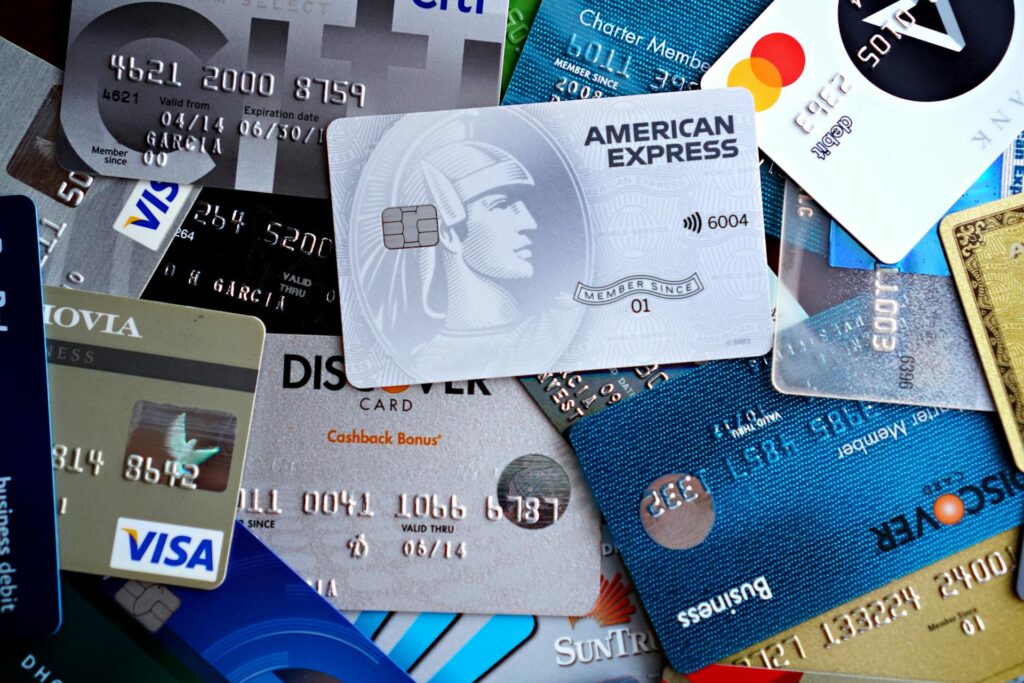
Features Worth Adding to Your Cards
Barcodes and QR Codes
Scanning capabilities transform a simple ID into a data tool. Track attendance. Process payments. Log facility access. The barcode connects the physical card to your digital systems seamlessly.
Magnetic Stripes
Encoding data onto magnetic stripes adds another security layer. Works perfectly for time clocks, door access systems, and point of sale integration. Choose between LoCo for indoor applications or HiCo for cards that swipe frequently.
Signature Panels
That writable strip lets cardholders sign their credentials adding another verification element. Banks have used this forever but it works great for any high security application.
Sequential Numbering
Tracking card issuance becomes simple with consecutive numbering. Know exactly which cards are active, when they were issued, and maintain clean records for auditing purposes.
Getting the Technical Stuff Right
Standard credit card dimensions are CR80 format. That measures 3 3/8 inches by 2 1/8 inches with rounded corners. Any plastic card printer handles this size and it fits standard wallets badge holders and lanyards perfectly.
For photo cards you want at least 30 mil thickness. Thinner cards feel cheap and do not last. That substantial feel communicates quality to whoever receives one.
Finish options matter too. Gloss coating gives that shiny professional appearance while matte reduces glare and fingerprints. Pick based on how the cards get used daily.
PrintRobot Makes This Stuff Easy
Getting professional photo ID cards used to require serious investment. Equipment alone cost thousands before you printed a single card.
PrintRobot handles everything from their 55,000 square foot Florida facility. Send your design files and member data spreadsheet. They print, personalize, and ship finished cards ready to distribute. Variable data including photos gets processed in house.
Free design services come with orders over $250 if you need help creating artwork. No setup fees eating into your budget either. Standard turnaround runs 10 to 15 business days with rush options available.

FAQs
What file format works best for submitting photos?
High resolution JPEG or PNG files work great. Aim for at least 300 DPI so photos print crisp and clear on the finished cards.
Can I order small quantities for testing?
Absolutely. Minimums start at 100 cards which is perfect for pilot programs before scaling up larger orders.How long do plastic photo ID cards typically last?
With normal daily use expect 3 to 5 years easily. The PVC material and UV coating protect against wear, fading, and moisture damage.